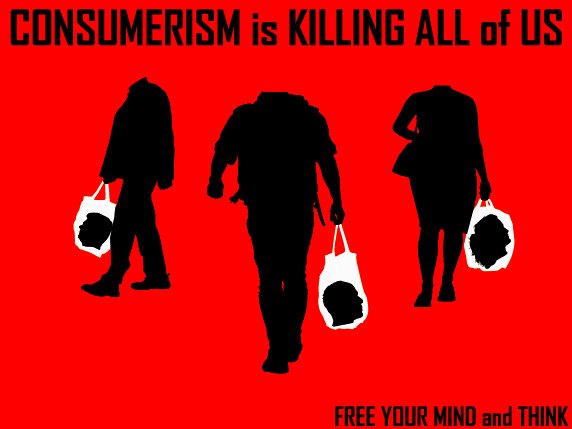
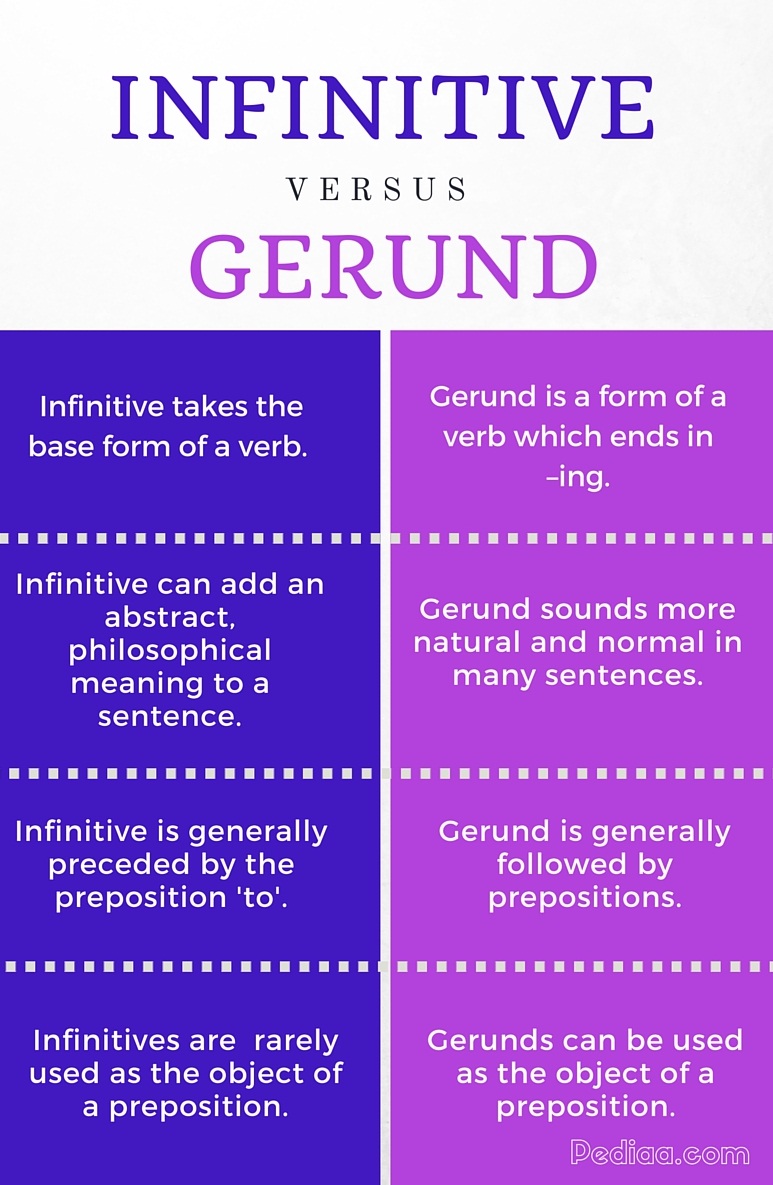
Thursday, 3 May 2018

Engineering Design Turns Mushrooms into Foam

Engineering Design Turns Mushrooms into Foam 
What if you could replace all the Styrofoam-- to-go containers, or those big pieces that hold a new computer, or Styrofoam peanuts that you use in packing? What if you could replace all of that with something that biodegrades and doesn't use petroleum in the manufacturing process?
Well, that's exactly what the founders of Ecovative Design are trying to do with mushrooms. Gavin McIntyre is co-founder and Chief Science Officer for Ecovative. And he joins us from the studios of AMC in Albany, New York. So Gavin, what inspired this idea?
GAVIN MCINTYRE: A simple walk in the woods, actually, by the company's other founder, Eben Bayer. Eben grew up on a maple syrup farm, so spending time in the woods was not something unique. What he noticed was some fungal mycelium, which is tissue of a mushroom, growing on and binding wood chips together. And the real inspiration and aha moment came from, how can we translate this natural process, this adhesion that occurs in Nature, to an industrial setting, and turn this natural tissue into a living glue?
INTERVIEWER: What was the first step that you and Eben took to figure out if you could even grow things in a controlled manner?
GAVIN MCINTYRE: This technology really got started while Eben and I were both undergraduates atRensselaer Polytechnic Institute. We just went online. We looked up some gourmet mushroom cultivation kits. And we brought them in a house, mixed them with some really low-density materials, and we fabricated our own tools so we could grow these products into shapes.
These first materials were mixed in our kitchens. We didn't have a clean room to start off in. And they were actually incubated under our beds, and in our closets. Because, as you might be aware,mushrooms really like dark places.
INTERVIEWER: All the greatest science is done in kitchens and at home in closets, I think. Was the first attempt, or those first attempts, successful?
GAVIN MCINTYRE: Surprisingly, they were. But when we first launched the company and, and started to repeat our process over and over again in different spaces, that's where we ran into a lot of difficulties. We were very lucky and fortunate to have a great mycologist, Sue Vanhook, who's, a mushroom biologist, join our team and really help educate us on the biological aspects of this process.
INTERVIEWER: OK, so let's talk a little bit more about the biology, in particular, because it's not the whole mushroom. It's not the whole fungus that you're using. You're using a very particular part of it called mycelium.
Mycelium is a key building block in this thing that we know as a mushroom, right?
GAVIN MCINTYRE: Exactly, mycelium is truly the supporting structure of all fungi, from mould mushroom species. The mushroom basically derives all of its energy, its nutrients, through this network known as mycelium. And then the mushroom itself is comprised of mycelium.
What's interesting is the mycelium differentiates, and forms mushrooms or the vegetative root-type structure that grows on lawns and in trees, for example, just by the environment in which is growing in. So based on the temperature, the CO2 levels, and even light, the mushroom will form or it'll just generate more of that vegetative mycelium.
INTERVIEWER: So that's what makes it so flexible. Essentially, it's a polymer. It's Nature's original analogy to what we see in plastics all around us today. Is it going too far to say that?
GAVIN MCINTYRE: That's true. In terms of its macroscopic level, what we can see with the naked eye, the mycelium really is that polymer construct. But if you look even closer at the molecular level, what you'll see is the mycelium-- in terms of its cell wall-- is comprised of chitin.
This is the same biopolymer that you'll find in lobster and crab shells. So it's very robust. It's water-insoluble, and it's highly cross-linked, which makes it very strong and great for industrial applications.
INTERVIEWER: So how exactly do you grow it? The mycelium needs some kind of substrate, right, or framework in which to grow. What materials do you use for that?
GAVIN MCINTYRE: We go to local farms. We take things like corn stalk, or seed husks and seed hulls-- byproducts of the agriculture industry. We mix them together with the tissue culture of fungal mycelium.
And over a period of three to five days the mycelium will grow and start to bind these materials together. The beauty of this process is that there's no additional embodied energy. All the energy for growth comes directly from the agricultural waste. So it's really a set-and-forget process. We put it on the shelf, and we come back to it three days later, and we have a finished product.
INTERVIEWER: Can you make it into any shape?
GAVIN MCINTYRE: We have been able to make in any shape, from very customized and complex geometries for protective packaging-- replacing those end-caps and things you might get around a computer-- to even large-scale panels for the construction industry. And today we're actually growing a house.
INTERVIEWER: You're growing a house, you re--, an actual house?
GAVIN MCINTYRE: We are indeed. So we've constructed some walls. We're growing some mycelium between those walls, and we're even providing the house with acoustical tiles since all of our materials are class A firewalls. You can hit them with a blow torch. It just won't burn.
INTERVIEWER: Well Gavin McIntyre is chief scientist at Ecovative Design. They're using mycelium found in Nature in mushrooms to create all manner of new packing and construction material.Gavin McIntyre, thanks so much.
GAVIN MCINTYRE: Yeah, thanks for having me. I appreciate the opportunity.


Wednesday, 25 April 2018

PLASTIC POLLUTION

PLASTIC WASTE DEVASTATING EFFECTS
There are a ton of articles, literature, and scientific studies that show how damaging plastic waste is to marine life, but the problem remains. Recently, Greenpeace Philippines took action. The non-profit created a work of art designed to be a wake-up call for all consumers.
Greenpeace created a 50-ft dead whale out of plastic debris and put it on a beach for the public to see. It’s a shocking piece with red debris symbolizing blood coming from the whale’s back and loads of plastic bottles gushing from its mouth.

Greenpeace hopes the shocking artwork forces consumers to stop using plastic altogether.

The damage caused by plastic pollution in the ocean
A staggering amount of that plastic ends up in the water. There is 270 million tons of plastic waste floating in the ocean. That’s the weight of 36,000 elephants, or 135,000 cars.
It’s estimated that plastic garbage affects 700 marine species, according to Plymouth University. Animals not only get tangled in plastic debris, but they digest it too.
Sea Turtles, for example, mistake plastic waste for food, which obstructs their digestive system and can lead to death. Seabirds that dive into the ocean after fish often grab a mouthful of plastic as well.
Sea creatures killed by plastic garbage continue to make headlines. In Spain, for example, rescuers tried to save a beached sperm whale only to find that the animal had ingested so much plastic that it couldn’t survive. Inside the whale was 38 pounds of plastic trash that had blocked its digestive system.
Considering more than 90 percent of all trash floating in the world’s oceans is plastic, it’s logical that plastic accounts for the most harmful man-made items in the ocean. But what we often forget is that animals are ingesting this plastic waste every day, especially straws.
Many marine biologists, photographers, and sea lovers have captured the impact of single-use plastic on animals. As the plastic travels into and around the ocean, it breaks into tiny pieces that are then easily ingested by marine life. These are the top animals affected by single-use straws in the ocean:

Seabirds

Millions of seabirds are killed from the effects of plastic pollution every year. One of the most common plastic items ingested by seabirds are plastic straws from juice boxes. The plastic reduces the storage volume of their stomachs, ultimately causing them to starve. It’s estimated that 90 percent of all seabirds have eaten pieces of plastic. That number is predicted to increase to 99 percent by 2050.

Fish

Fish ingest 12,000 to 24,000 tons of plastic each year in the North Pacific alone. This causes intestinal injury, death, and also transfers plastic up the food chain to bigger fish and marine mammals. A recent study found that a quarter of fish at markets in California contained plastic in their guts, mostly in the form of plastic microfibers. This plastic leaches harmful toxins, including BPA, into their bodies and ultimately into us through our dinner plates.

Sea Turtles

Sea turtles also mistake floating plastic items for food. While plastic bags are the most commonly ingested item found in turtles, straws are a close second. About a year ago, two researchers posted an 8-minute video of what happened when a turtle met a straw and the impact it had on the animal. Since some sea turtle species are critically endangered, this viral story highlighted the important issue of single-use straw waste.

CARBON FOOTPRINT


What is Carbon Footprint?


A carbon footprint is defined as: The total amount of greenhouse gases produced to directly and indirectly support human activities, usually expressed in equivalent tons of carbon dioxide (CO2).


Currently humans have been interfering in nature's carbon cycle which is resulting in harmful consequences. We need to control this or else we all have to pay for this one day.


WORLD EARTH DAY 2018

World Earth Day for 2018
END PLASTIC POLLUTION


The first Earth Day was in 1970. Since then, our population has doubled. On average, each person is eating more meat, throwing out more plastic, and producing 21% more CO2. Our habits on land are recorded in the oceans. See what’s changed for our oceans since 1970, and how you can take action.


Monday, 26 February 2018

Buildings that blend nature and city

The Nature Of Cities (2010)


A skyscraper that channels the breeze ... a building that creates community around a hearth ... Jeanne Gang uses architecture to build relationships. In this engaging tour of her work, Gang invites us into buildings large and small, from a surprising local community center to a landmark Chicago skyscraper. "Through architecture, we can do much more than create buildings," she says. "We can help steady this planet we all share."


Most Eco-Friendly Cities in the World

Many countries and city governments have been taking action in order to clean up the messes of the past. Ecology has become one of the major philosophies in all societies, as we, as a people, have a goal to leave the Earth for our descendants in a better state than when we found it. If we can follow the example set by these Top 10 Eco-Friendly Cities of the world, we’ll be well on our way to sustaining Earth for many more generations to come.

URBANIZED (a documentary for landscape designer mainly)

A documentary about the design of cities, which looks at the issues and strategies behind urban design and features some of the world's foremost architects, planners, policymakers, builders, and thinkers.


11 Movies All Landscape Architects Should See

1. The Big Uneasy (2010)

The Big Uneasy is a documentary film made by Harry Shearer. While the film discusses Hurricane Katrina, the focus is not on the actual hurricane but instead on the architecture that allowed the hurricane to create so much damage.  For four decades New Orleans was unknowingly plagued by poorly designed architecture, but after the hurricane hit the mistakes became painstakingly clear. The Big Uneasy contains a lot of gripping information sure to get you thinking. Plus, learning from the mistakes of others is the most personally painless way to learn.

2. Edible City: Grow The Revolution (2012)

This documentary film focuses on the need to grow more local food, something all creative landscape architects can help promote. Having a few farmers produce the food in abundance for many people creates a lot of environmental issues that could be reduced if people had more access to grow their own food, such as with a community garden. There are many beautiful plants that produce fresh fruits and vegetables that can be incorporated into landscaping, allow this informative film to help inspire your next great idea. (Edible City – The Movie)

3. The Social Life Of Small Urban Spaces (1988)

If you’re short on time, this short documentary by William H. Whyte doesn’t take much time to watch, although it reveals the answer to the million-dollar question: why are certain spaces popular, and others not so much? If this film sounds familiar that’s because it was released to the public over 25-years ago. But that’s just how potent the film’s message is. Even now, all of these years later, it is still relevant.

4. The Secret Garden (1993)

For many, this 1993 film may bring back many memories. Aside from the vivid characters and story line, the actual garden in this film is a whimsical place for any landscape lover to feast their eyes. As a grown adult this might not be the first movie you think to watch, but sometimes fairytales spark the best sorts of inspiration. So call out the kids and bring back the nineties with this classic movie.

5. The Lord of the Rings Trilogy (2001-2003)

The natural and mystical worlds collide together to create the imaginary landscapes seen throughout this trilogy. People young and old love these movies, and as a landscape architect the picturesque backdrops may prove more than just a little inspiring.

6. Willy Wonka and The Chocolate Factory (1971)

This classic kid movie is bursting with plants, flowers, and unique architectural elements, including a chocolate waterfall. Take a peek behind the dancing munchkins and disappearing children and study the awesome landscape architecture that went into staging the film.

7. Women in the Dirt: Landscape Architects Shaping Our World (2011)

As a landscape architecture you set the backdrop scenery for life. This documentary takes a closer look at some of the women behind the trees, flowers, and pristine sidewalks, profiling 7 different landscape architects currently making waves in the industry. Each of the women featured in the film strive to promote a greater awareness to function, beauty, and sustainability throughout the landscaping community and beyond.

8. Breaking and Entering (2006)

It’s always fun to watch a movie in which your profession is portrayed; it helps make the main character more relatable, after all you do hold the same job. If you want to watch a film based on the life of a landscape architect, the film Breaking and Entering fits the bill. In this movie the main character, played by Jude Law, is a landscape architect for a living when a young thief causes him to reevaluate his entire existence.  http://www.imdb.com/title/tt0443456/

9. Just Like Heaven (2005)

This romantic comedy also features a landscape architect as the main character. The architect, played by Mark Ruffalo, is recently widowed when he moves into a new, and haunted apartment. Just as the man is trying to rid his new home of the ghost, played by Reese Witherspoon, the two mismatched characters start to fall in love.

10. Urbanized (2011)

This documentary, directed by Gary Hustwit, reveals the issues facing urbanized cities all over the world, from the US, to Mumbai, and Germany too. As a landscape architect you are expected to create the perfect scenery in a number of different locations. It’s not just idyllic hillsides that need to be planted and designed, urban city centers need green landscaping too. Urbanized includes interviews and insights from city planners, architects, and others currently working to freshen up the urban living experience (Urbanized movie.

11. The Nature Of Cities (2010)

As a landscape architect you are constantly faced with the question: how do I design better environments, better schools, parks, businesses, and city centers? The Nature of Cities takes a closer look at the natural world, and how it can be better incorporated with everyday life, now and into the future. It has pretty much always been assumed that cities and nature do not coexist, yet research continues to prove humans need contact with the natural world in order to be happy, and healthy. Greenery has a real impact on people; in fact simply adding a community garden can alter an entire neighborhood. This movie details the ins and outs of adding more greenery to urban spaces (see here).

Monday, 1 January 2018

Wednesday, 15 November 2017

DO YOU NEED TO PREPARE AN ORAL PRESENTATION IN ENGLISH?


you can go to this link to learn some useful sentences for your presentation:
GIVE AN AMAZING PRESENTATION IN ENGLISH

or have a look at this Video to gain some confidence to talk in front of an audience:

Be a More Confident Public Speaker


Tuesday, 31 October 2017

Breaking News English

Lesson on Pollution


Listen to these piece of news

https://breakingnewsenglish.com/1710/171023-pollution.html

https://breakingnewsenglish.com/1710/171023-pollution_01.mp3


Now say if the following sentences are True or False:
a) One in six deaths worldwide is because of pollution. T / F
b) Most deaths from pollution were because of infectious diseases. T / F 
c) Most pollution-related deaths were in richer countries. T / F 
d) Bangladesh and Sweden have the lowest pollution-related death rates. T / F 
e) A researcher said pollution and social injustice are strongly linked. T / F 
f) The researcher said pollution threatens human rights. T / F 
g) Water pollution was the biggest killer. T / F 
h) A scientist said pollution is so bad it is reaching crisis point. T / F

Now read and check if you understood correctly:

Pollution is the world's biggest killer. It caused one in six, or 16 percent, of all global deaths in 2015. Most of these deaths were from diseases like heart disease, lung cancer and stroke. Researchers said 92 percent of pollution-related deaths were in poor countries, especially countries with a lot of economic development. Bangladesh and Somalia were the countries most affected. Brunei and Sweden had the lowest numbers of deaths because of pollution.
A researcher said: "Pollution, poverty [and] poor health…are deeply [linked]." He said pollution threatens human rights, such as the right to life and health. Air pollution was the biggest killer. It killed 6.5 million people in 2015. The second biggest killer was water pollution. Next, was pollution in the workplace. A scientist said: "Air pollution is reaching crisis point." People with breathing problems, children and the elderly are hardest hit.


Friday, 20 October 2017

Why is biodiversity so important?

Now answer these two questions about the video:


  1. An organism that others may depend on for survival is called a(n)
  1. Ecosystem diversity, species diversity, genetic diversity all intertwine to create ______.
And think and discuss about this:


Ecosystem services are benefits that healthy, diverse ecosystems provide to humans. List some ecosystem services provided by a healthy biodiversity on Earth and describe how our lives would be changed without these.

Wednesday, 18 October 2017

ENRICH YOUR ENGLISH VOCABULARY TO SOUND LIKE A NATIVE SPEAKER WITH...

IDIOMS AND PROVERBS
1. ‘The best of both worlds’ – means you can enjoy two different opportunities at the same time.
“By working part-time and looking after her kids two days a week she managed to get the best of both worlds.”
2. ‘Speak of the devil’ – this means that the person you’re just talking about actually turns up at that moment.
“Hi Tom, speak of the devil, I was just telling Sara about your new car.”
3. ‘See eye to eye’ – this means agreeing with someone.
“They finally saw eye to eye on the business deal.”
4. ‘Once in a blue moon’ – an event that happens infrequently.
“I only go to the cinema once in a blue moon.”
5. ‘When pigs fly’ – something that will never happen.
“When pigs fly she’ll tidy up her room.”
6. ‘To cost an arm and a leg’– something is very expensive.
“Fuel these days costs and arm and a leg.”
7. ‘A piece of cake’– something is very easy.
“The English test was a piece of cake.”
8. ‘Let the cat out of the bag’ – to accidentally reveal a secret.
“I let the cat out of the bag about their wedding plans.”
9. ‘To feel under the weather’ – to not feel well.
“I’m really feeling under the weather today; I have a terrible cold.”
10. ‘To kill two birds with one stone’ – to solve two problems at once.
“By taking my dad on holiday, I killed two birds with one stone. I got to go away but also spend time with him.”
11. ‘To cut corners’ – to do something badly or cheaply.
“They really cut corners when they built this bathroom; the shower is leaking.”
12. ‘To add insult to injury’ – to make a situation worse.
“To add insult to injury the car drove off without stopping after knocking me off my bike.”
13. ‘You can’t judge a book by its cover’ – to not judge someone or something based solely on appearance.
“I thought this no-brand bread would be horrible; turns out you can’t judge a book by its cover.”
14. ‘Break a leg’ – means ‘good luck’ (often said to actors before they go on stage).
“Break a leg Sam, I’m sure your performance will be great.”
15. ‘To hit the nail on the head’ – to describe exactly what is causing a situation or problem.
“He hit the nail on the head when he said this company needs more HR support.”